AUC Home page
Back to AUC Home

New Teaching Modalities — What do AUC School of Business faculty think of our first semester back on campus after lockdown?
Nouran Rabie
December 26, 2021
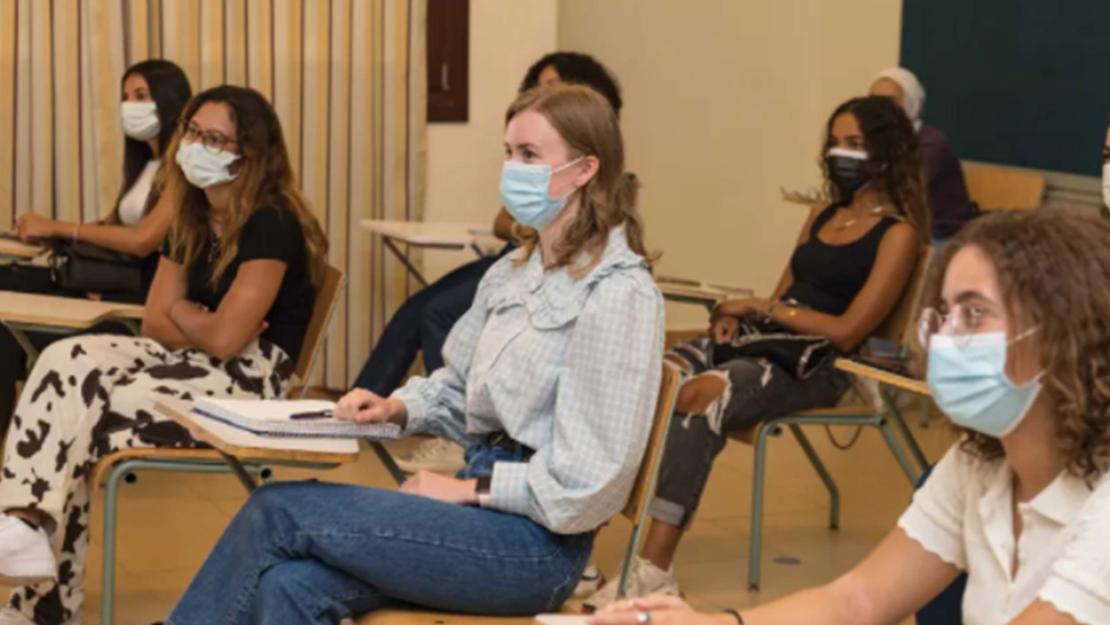
Students wearing masks

Fall 2021 was no ordinary semester. After 16 months of teaching and working from home, AUC opened its doors for its community to bring education back to campus. This resulted in a new normal: a mode of instruction, learning and working that resembles life before the pandemic, yet incorporates new modalities and methods acquired and adjusted to fit into a world co-existing with the COVID-19 pandemic.

To find out how the new teaching modalities worked, we chatted with Dina Abdel Fattah, interim chair and assistant professor of economics, Hakim Meshreki, assistant professor of marketing and CEMS-MIM academic director, and Moataz El-Helaly, assistant professor of accounting to get some insights on what they think worked and did not work this semester.

El-Helaly: There are two commonly adopted new teaching modalities which are hybrid (or blended) learning and distance (or remote) learning. The main differences between both modalities versus presence (face-to-face) learning could be summarized in the teaching skills that the professor needs to heavily hinge on and the availability of solid information technology infrastructure, including the existence of powerful Learning Management System (LMS) like Moodle or Black Board or similar LMS.

Hybrid learning needs a smart allocation of topics, class activities and assessments across face-to-face meetings or online synchronous class meetings. We spend a lot of time deciding on the topics that must be covered on campus versus topics or activities that could be conducted online. The same is applicable for in-class activities and assessments, if online or asynchronous assessments are possible for a course.

As for 100 percent distance or remote learning, it needs much more resources like a solid e-learning platform and instructional designers. The e-learning platform must also be engaging and attractive. In higher education, meeting your professors and peers is an intangible asset that has to be compensated in case the distance learning modality is adopted.

Meshreki: Teaching modalities now are different given that some classes are taught in dual delivery modes whereby some students attend the class online and others face-to-face. This requires that the professor sets up zoom meetings for every class and provides a calendar for two groups of students, those who will attend face-to-face and those who would attend online. Of course, students alternate between face-to-face and online. The tools used have been modified. So, instead of writing on the board, we use paint to do any writing. Faculty have to come early to class to set the online part and make sure all classroom technology is functioning properly, including mics, cameras, a display screen for online students, and so on.

Abdel Fattah: The online period had its own positives when it comes to teaching. Students had access to both local and international guest speakers visiting their classes virtually. Choosing to go for the dual delivery mode of teaching has continued to facilitate this for the students.

El-Helaly: There is a discrepancy in students’ learning preferences that emerged post COVID-19. Some students now prefer face-to-face instructions, others prefer a completely remote learning experience and another group favorites blended learning. I tackle this challenge by trying to make the class challenging, interactive and interesting, regardless of the modality. Each group of students prefer a certain modality for a reason. I try to keep all those reasons present in all modalities to maintain their interest in the course content.

Abdel Fattah: The biggest challenge is the constant interruption to education when one or more students falls sick. Having the students attend the class live on zoom has facilitated this. Another challenge is the assessments: During lockdown, we had to come up with more innovative assessment methods that would help test the achievement of the learning outcomes without the restriction to the old-style paper exams. The challenge now is not going back to paper exams and continuing to be more innovative in the assessment methods. I managed to deal with this by continuing to adopt a mixed assessment technique involving in class exams, take home exams, research papers and presentations.

Meshreki: The biggest challenge that I have been facing since COVID-19 is students' attention span, which became significantly lower. This was tackled by more engaging topics and flipped classrooms in many situations. The second challenge relates to exams, whereby online exams are prone to cheating. This was tackled through multiple random versions for every exam.

El-Helaly: I avoid an extremely slow pace, redundancy in explanation unless students would like me to repeat or deeply explain a particular concept. Also, instead of instructing the students all the time I devote a lot of time to problem solving and/or class discussions during class time.

Abdel Fattah: Making sure you switch between lecturing and discussion every 15 minutes. In the very early phases of online and when we used to send pre-recorded lectures, we used to have clips that would not last longer than 15 minutes. I am continuing to do the same, by either an in class activity or a discussion question.

El-Helaly: Technology yes, but for me I do not recommend that social media becomes part of the learning process. I think the student perception about social media is that it is for fun and spending leisure time. I am concerned about how their brains could adapt in case they need to watch or read something important for their learning on Facebook or Instagram for example.

Abdel Fattah: I would say yes to some extent. For example, in one of my courses I would have students engage with different people on different social media outlets and groups to discuss particular topics. It gives controlled access to the outside community.

Meshreki: No, I don't believe so. Social media has been so distracting to students with the exception of WhatsApp which enables quick communication with students on urgent matters.

El-Helaly: Students might need some awareness related to how to adapt to different teaching modalities; this is valuable beyond their time at AUC. There are so many postgraduate degrees including Master of Science and MBA programs that are adopting a distance or a blended learning approach. Also, so many courses that provide new skill sets for young professionals are conducted in those modalities. Students might need to relearn how to learn in each possible modality they might need to face.

Abdel Fattah: We should have more dual delivery taught courses while improving the infrastructure to be more inviting for this change.

Meshreki: The main enabler of the new teaching modalities is the availability of strong and recent classroom technology that enables faculty with multiple ways of interacting with students. Dual delivery teaching modality is very difficult to implement given the current classroom technology available and requires a huge effort from faculty.

Abdel Fattah: It is convenient and also requires extra effort. The logistics of it are not easy: following up who is attending in which room on what day, making sure that in your teaching you are not forgetting about the ones attending on the screen, and coming up with activities that would engage both groups at the same time.

El-Helaly: It is not more convenient, yet it is different. I would say it is not really about the effort, but the mindset and expectations. The professor needs to adopt a different mindset and talk with students in the early classes of the semester about what they should expect so that the course can run smoothly and achieve its intended objectives.

Meshreki: Professors have to accept the new normal and update their teaching curricula in order to adapt to new changes. This includes minimizing presentations, adding more activities inside the classroom, and adopting the flipped classroom methodology of teaching in addition to using more experiential learning. Formal training to faculty on flipped classrooms should be provided by CLT.

Abdel Fattah: I would like to say that students have already shown a great deal of resilience and adaptability to the continuous changes that are happening suddenly and very fast. I am very proud of how these experiences are further shaping their characters.

Share

In the Spotlight: a Q&A with this year’s winners of the KCC-P&G Commercial Challenge

Ali Al-Batati
December 1, 2021
KCC P&G

El-Khazindar Business Research and Case Center (KCC) collaboratively with Procter & Gamble held the eighth edition of the KCC-P&G Commercial Challenge. The competition aims to develop commerce-related experience and skills of participating students and empower them with the tools that will help them excel when joining the labor force. The 2021 case study was targeting feminine care.

This year’s winners, all AUC School of Business students, included: Lobna ElHaraky, a business administration senior, Laila ElHelw, economics junior, Malak El Menyawy,  finance senior, and Youssef Aziz, business administration junior, of the team “Elevate”. Their case was about growing Always’ consumption in Egypt.

During the course of the competition, participants were given an overview of the company and what it's like to be part of P&G. Students also attended two sessions by P&G executives on sales and marketing principles, to help them understand what is required from them to solve the case logically.

We had a chat with the students to find out more about their winning case and their experience in the competition.

Q: Tell us a little bit about your idea and how you came up with it.

Team Elevate: After conducting many observational studies in detergent shops, high-frequency stores, and pharmacies, in addition to interviewing several women from our target segment, we understood our consumers’ needs regarding feminine care. Therefore, we decided to tweak an already existing and successful product by removing some of its features that are considered unnecessary to our target segment, in order to decrease its cost and offer them a more affordable product with the same quality.

We also decided to create a new packaging that empowers women and reflects our commercial message: “You deserve to live a dignified life, you deserve to prioritize your health, you deserve to be a full-time user”.

Lastly, we intend to promote our product through several channels, one of which is by contributing to the recent presidential developmental initiative “Decent Life” (Hayah Karima), aiming to alleviate our target segment’s living standards and convince them to increase their usual consumption.

Q: You guys did a great job tackling an overlooked issue. How did the process you went through during this challenge impact you?

El Helw: I liked how this challenge enabled us to reflect on real-world issues; it was an eye-opener and a humbling experience when interviewing various women from our target segment and realizing how expensive pads are for them. We learned how they adapt and create alternative methods instead of buying pads, such as using baby diapers or old clothing.

In addition, being one of the students in the CO-OP business program, I am not allowed to enroll in any courses as I work full-time as a tax advisory intern at PwC, under the International Tax and Mergers and Acquisition department. Joining this competition enabled me to experience the aspects that I missed the most as a student: Working as a team with my friends, staying late on campus, switching ideas a million times before finding the right one, and the competitive drive of wanting to win.

ElHaraky: I really liked the fact that the case was an actual representation of the company; it reflected a real-life situation, which helped us develop our analytical skills. We also felt a sense of responsibility while trying to come up with an idea that could really have an impact not only on the company but on Egyptian society as well.

Q: Now that the competition is over, do you remember what it was like joining at first? And how did it feel like to actually win at the end?

El Helw: I was reluctant about joining at first as I felt I was not well prepared and did not know what to expect, but in the end, I’m so happy I did because the entire experience was very rewarding. It gave me a taste of real-life challenges and how teams can come together to solve them with new and innovative ideas. Winning the competition has given us all a big confidence boost when entering the real world. I highly recommend every student join one round before graduating, as it is truly an eye-opener.

ElHaraky: It’s been an honor joining and winning the P&G Commercial Challenge. I am very proud of my team and of how efficient we were during a very short period of time. Although we argued a lot, we were finally able to put our thoughts together and achieve the best outcome. This has definitely been a great learning experience, one that has enriched my knowledge about corporate life and most importantly developed my leadership skills.

El Menyawy: The competition was challenging in so many ways. It enriched me and added to my knowledge. Also, it showed me the real business world and how it really works from all aspects which improved my decision-making and critical thinking skills.

Aziz: The competition was really a great experience that made me get exposed to real-life business problems. It pushed the team and me to think outside of the box, and think about it effectively, and find long-term solutions that were crafted meticulously. I personally learned a lot about how different departments communicate with each other like the sales and marketing departments to get the best potential outcome.

Q: Lastly, what was the most challenging part about the competition? And what would you recommend to tackle that challenge?

El Helw: I would have loved to have face-to-face presentations. Presenting our findings online was quite tricky due to the usual technical difficulties. On the other hand, I truly believe that presenting to a panel of real-life experts would have been a chance for students to practice becoming young professionals and gain a more hands-on experience.

Share

A well-rounded analysis on Egypt’s economic roadmap tied the sessions of the Business Forward annual event last week

Nouran Rabie
December 13, 2021
Business Forward

It is that time of the year again where AUC School of Business’ knowledge portal Business Forward sheds light on all the significant developments affecting the economy and doing business in Egypt and the region, as it celebrates its anniversary within its annual event.

The event was held in partnership with the Egyptian Credit Bureau – I-Score, Arab-Africa Trade Bridges, The Coca Cola Company, and the Commercial International Bank (CIB Egypt), and provided an informative exchange and outlook on Egypt's economic roadmap by prominent policymakers, business leaders, academics and economic experts, as well as- for the first time- a session especially focused on investment and trade opportunities across Africa.

As always, the event started out with this year’s economy snapshot video, developed by Business Forward and Dcode Economic and Financial Consulting, which presented where Egypt’s economy stands in 2021. Progress has been witnessed in terms of positive growth amidst the second pandemic year, along with other positive indicators; and challenges persisting in indicators like the stumbling current account balance and risks of higher inflation.

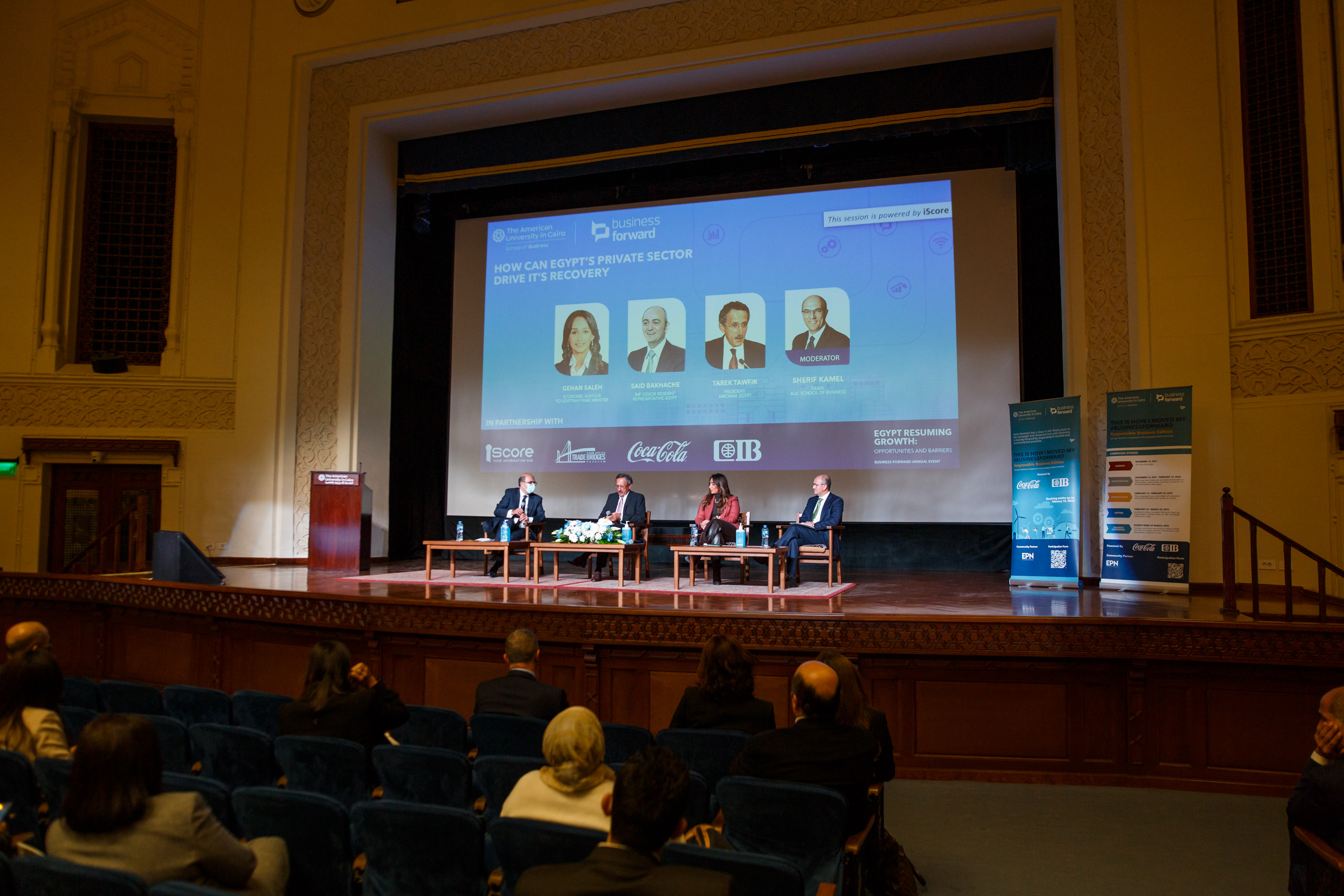
This was followed by an expert panel discussion moderated by Dean Sherif Kamel featuring AmCham's President Tarek Tawfik, IMF's Senior Resident Representative to Egypt Said Bakhache, and Economic Advisor to the Prime Minister Gehan Saleh. The panel highlighted the crucial role of the private sector in Egypt’s economic growth noting that the government is realizing this with its current direction of inclusive private sector growth.

BF 1

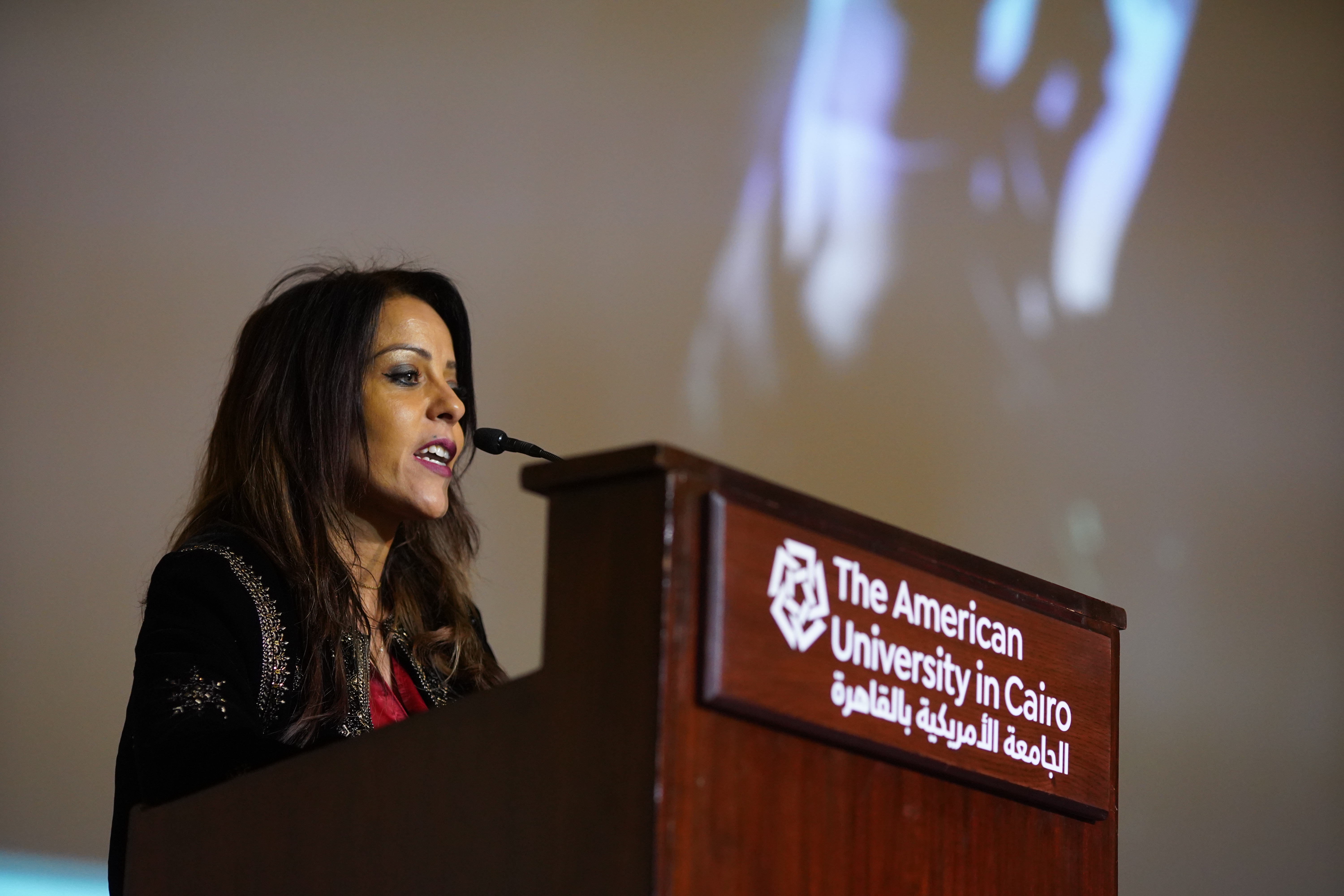
The event also witnessed the launch of the second edition of the “This is how I moved my #BusinessForward” campaign. As the world talks about building back better and as climate action becomes no longer a luxury, this year’s campaign theme has been dedicated to responsible business to emphasize the concept of stakeholder (rather than shareholder) capitalism which is to shape the future. This participatory campaign calls on business leaders from Egypt, Africa, and the Middle East to join by sharing stories demonstrating how their companies are creating value for their communities and their business by responding to societal and environmental challenges. The campaign was presented by Business Forward’s Managing Editor Ghada Nadi along with representatives of this year’s campaign sponsors: The Coca-Cola Company's North Africa Head of Public Affairs and Sustainability, Shereen Shaheen, and CIB Egypt’s Head of Sustainability Maysoun Ali.

BF 2


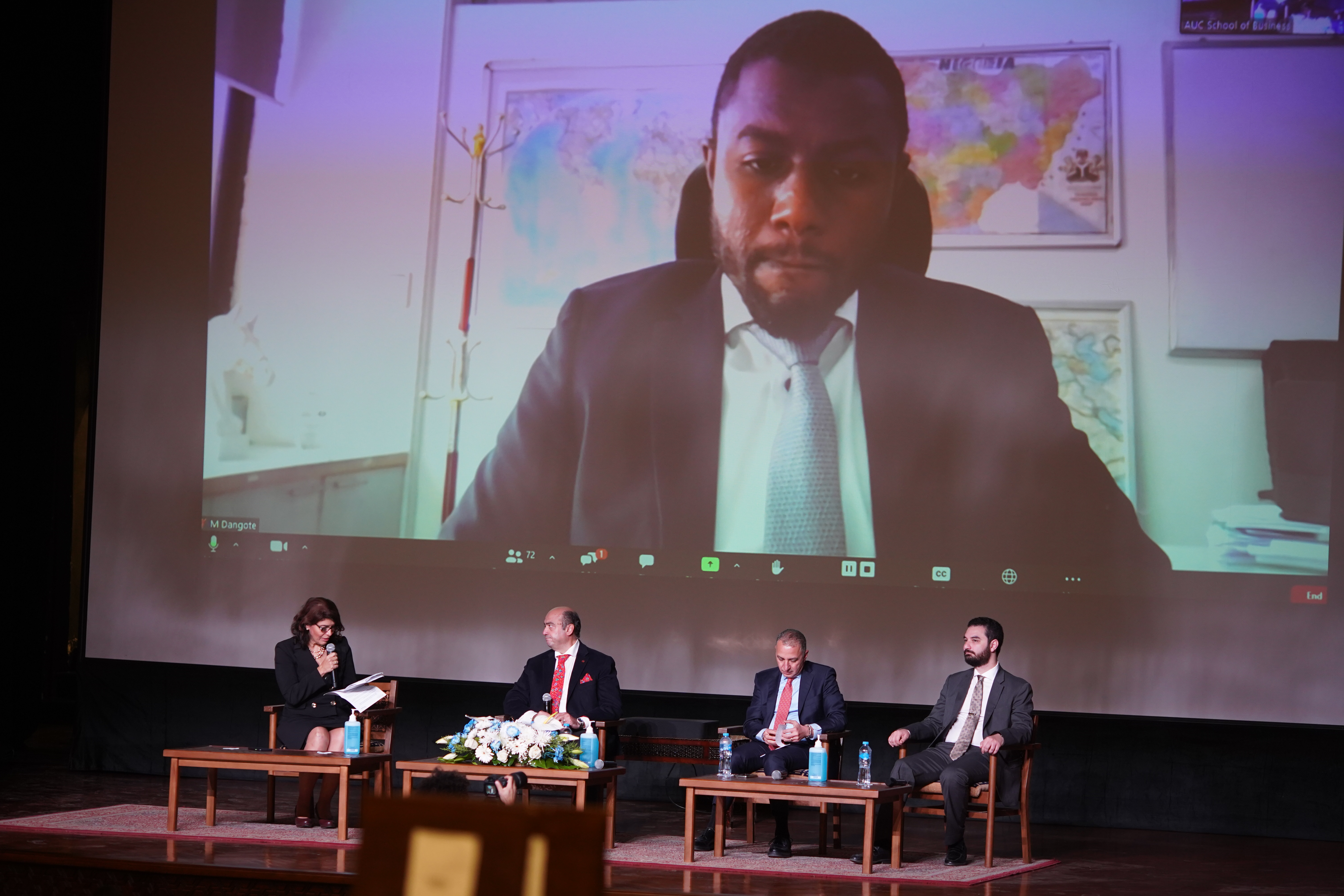
In a fireside chat on "Unpacking Economic Integration with Africa”, industry leaders from Egypt and Nigeria shared their success stories on expanding cross-borders into different African markets and discussed the structural obstacles to achieving better economic integration between African countries. This session was moderated by Christiane Abou-Lehaf, senior manager, international cooperation at Afreximbank, and featured Elsewedy Electric's CEO Ahmed El Sewedy, Dansa Holdings Ltd's Executive Director Mohamed Dangote, Elevate Healthcare Africa's CEO Tarek Moharram, and Pharco Corporation's CEO Sherine Helmy.

BF 3

In the last session of the day, prolific economist Mahmoud Mohieldin, IMF executive director, broke down where Egypt’s economy stands and the way forward. Mohieldin, who joined us virtually, discussed difficult yet crucial questions, such as why Egypt’s stock market does not mirror its economy, what the most promising of all of Egypt’s megaprojects is, and debated whether the private sector is being crowded out by public investments.

BF 4 BF 5

A total of 220 attendees joined us virtually, while 239 attendees were present at the physical event at AUC Tahrir Campus’ Ewart Hall. All 459 attendees benefited from the live discussion, shared their questions with the speakers and had the chance to build connections during the dedicated networking sessions.

Watch the full recording of the event here.

Share

AUC Venture Lab Named Best Accelerator/Incubator Program in North Africa

December 20, 2021
V-Lab

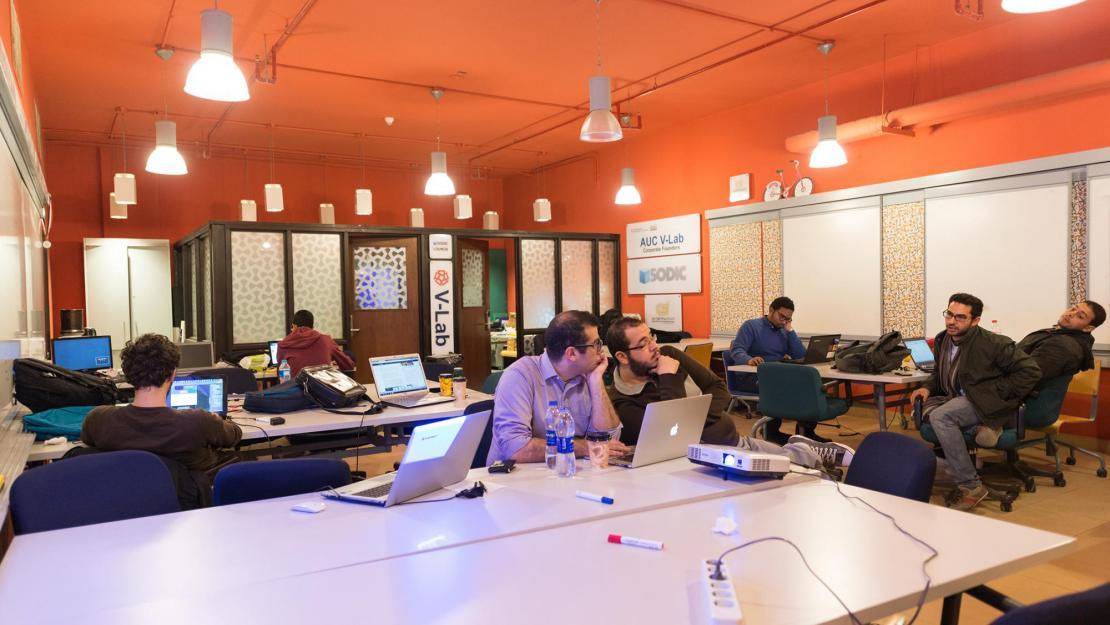
The AUC Venture Lab, Egypt’s first University-based startup incubator and accelerator, was recognized as the Best Accelerator/Incubator Program in North Africa by the Global Startup Awards, a competition based in Copenhagen that reaches 124 countries.

The Venture Lab now sits among the continent's top 60 digital future shapers — selected from a pool of over 7,000 nominations.

"We are honored to be recognized as the best accelerator in North Africa, as it only means that our startups will also be the best in the region," said Ayman Ismail,  Abdul Latif Jamil Endowed Chair of Entrepreneurship and AUC Venture Lab Director.

The award came just as the lab graduates another cohort of 20 innovative tech-based startups from its Startup and Fintech Accelerators (more about the graduated startups here), and as it opens applications for future cycles.

"This recognition comes at a very special time," Ismail continued. "This year, we have graduated our biggest cohorts to date, celebrated the first unicorn exit by one of our graduates and revamped our offerings to empower entrepreneurs better than ever."

The lab has supported over 200 graduate startups that have gained EGP 3 million in investments and created 8,500 jobs, leaving a lasting impact on the greater community and regional development ecosystem.

The Global Startup Awards are powered by xo.company, which aims to connect different stakeholders to facilitate vertical innovation, in partnership with the Global Innovation Initiative Group (GIIG) Africa Fund.

Share

An Artistic Take on Egyptian History: Meet Alumna Yasmine El Dorghamy

Elizabeth Lepro
December 13, 2021
Yasmine El Dorghamy

Yasmine El Dorghamy ’00 was something of an unofficial Egyptian diplomat before she even graduated from college.

The daughter of an actual diplomat, El Dorghamy lived in five different countries before coming to AUC to complete her undergraduate degree. In every place she touched down — Japan, Greece, Turkey, Mexico — people wanted her to tell them about Egypt. 

“And of course, when you’re Egyptian and abroad, you’re asked questions [specifically] about history,” she said.

Luckily, El Dorghamy had a passion for history, making a point to visit museums and archeological sites and talk to local historians wherever she went. That interest laid the foundation for her multifaceted career in education, history, art and culture.

After beginning college in Mexico, El Dorghamy returned to Egypt to finish her business degree at AUC.

“AUC was instrumental in reintegrating me into Egypt when I moved back,” she said. “I made friends, met like-minded people and began forming the network that would help me pursue my projects years later.”

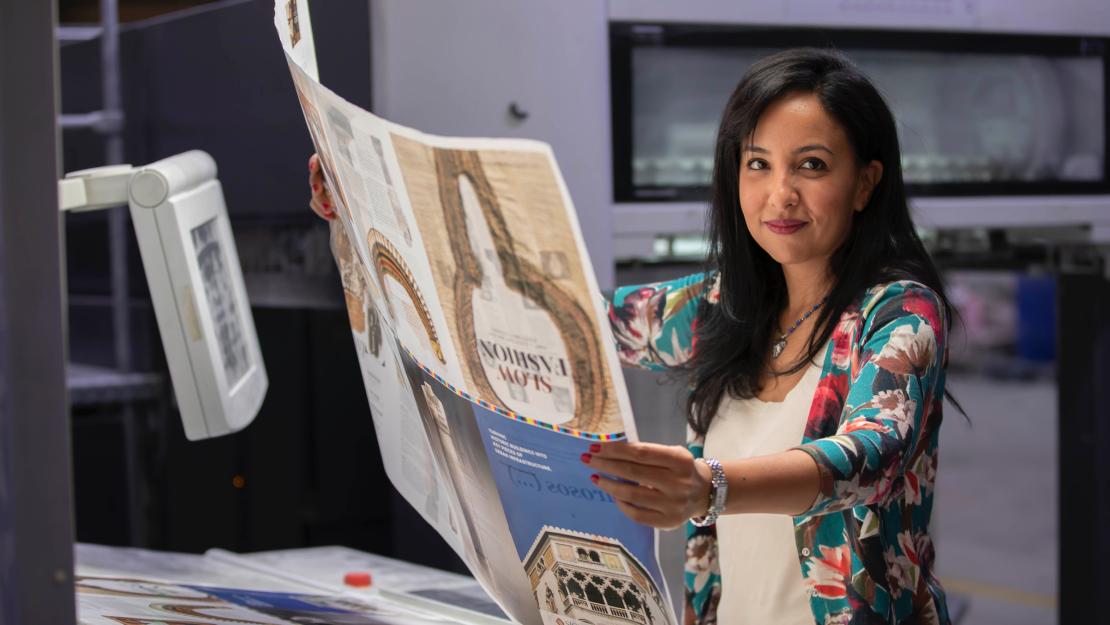
She went on to get a master’s in international education policy from Stockholm University’s Institute of International Education. After working in development for several years, she eventually became executive director of the Qalaa Holdings Scholarship Foundation, a philanthropic fund that provides Egyptians with opportunities to pursue postgraduate study. In 2010, she founded Rawi — Egypt’s Heritage Review, an annual, bilingual publication focused on Egyptian history and cultural heritage.

El Dorghamy has found ways to support young artists and aspiring historians. She serves on the selection committee this year for the Art D’Egytpe Mahy Khalifa Art Fund, which provides talented young artists with educational support. She’s also an adjunct professor of visual culture at AUC.

“I was thrilled at the opportunity to share the knowledge I’ve acquired in a different way, with a younger age group than I’m used to,” she said of teaching at AUC. “It’s been very refreshing and enlightening for me.”

AUCians benefit from her extensive knowledge of Egyptian arts and culture. Rawi’s material spans 7,000 years of Egyptian history and brings together research from a vast array of specialists.

The 2016 edition of Rawi, which was a massive undertaking, is considered among the first and best encyclopedic references on Egyptian Modern Art.  

“We took double the time to produce it, and it came out double the size. It turned out there was a huge need for it,” said El Dorghamy.

Rawi’s subject matter is intensive and far-reaching enough to be taught by professors in other universities, including internationally. Alex Dika Seggerman, an assistant professor of art history at Rutgers University-Newark, brought back 20 copies of the cinema edition for a seminar on Middle East cinema last year.

Rawi was, and is, a wonderful teaching tool, especially for this area of scholarship on Egyptian cinema that — until some new 2021 and 2022 publications by AUC Press — was not very robust,” Seggerman said. “Rawi's readable and general perspective, as well as the fantastic design, is easy for students to engage with.”

General readability was exactly El Dorghamy’s goal. She initially founded the magazine — in its earlier iteration called Turath — because she wanted heritage researchers to find an audience beyond that of their insular academic journals.

The review has weathered several major storms, namely the 2011 Egyptian Revolution and COVID-19. During the revolution, El Dorghamy said she managed to keep the magazine relevant by “covering all the heritage-related issues at the time when a lot of archeological sites were being attacked and museums ransacked.”

“Just surviving is an achievement,” she said, laughing.

The publication celebrated its 10th anniversary last year and will soon launch a partnership with Google Arts & Culture in an effort to expand on more platforms. The most recent issue covered the history of costume and clothing in Egypt, and the next will focus on healing and the medical sciences.

El Dorghamy is modest about her business sense — she jokingly said it’s the most “boring” part of the work she does — but she has clearly figured out the key to juggling multiple successes and creating long-lasting organizations.

“It’s a cliche, but do what you love,” she said. “Do what you love, and you’ll be good at it.”

Share